



A general dentist does more than just fill cavities and polish teeth. They’re the first point of contact for most of your dental needs. From routine dental care to more advanced procedures, their role is central to keeping your smile healthy and functional.
Many people think of routine dental care as just a cleaning every six months. But there’s a lot more going on during those visits. Your dentist is checking for early signs of decay, gum disease, and other issues that can become serious if ignored. With consistent care, you can avoid costly procedures and keep your teeth in great shape for the long run.
What Is Routine Dental Care and Why Does It Matter?
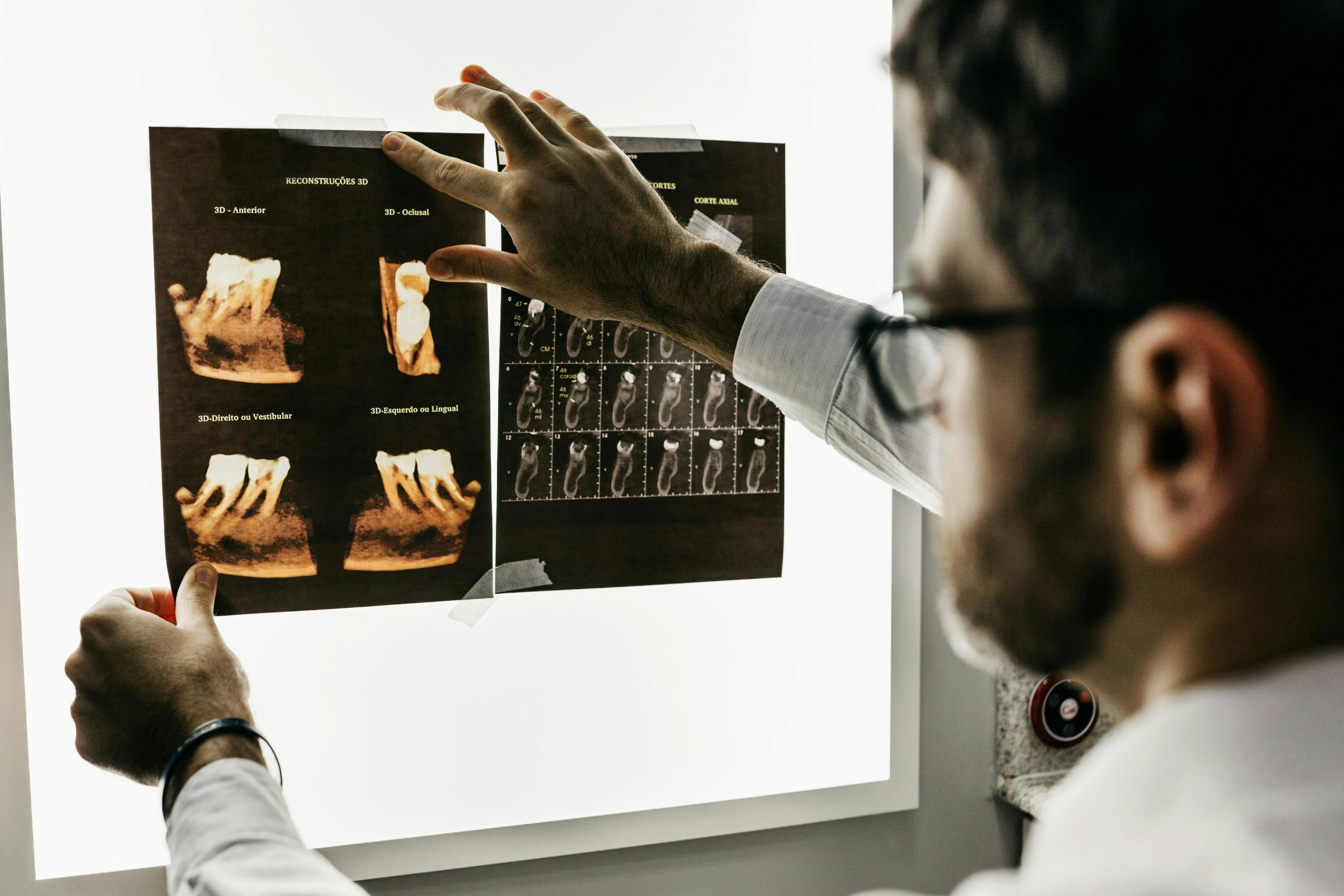
Routine dental care includes the regular checkups and preventive services that help you avoid bigger problems later on. These appointments are usually every six months, but your dentist may suggest a different schedule based on your needs.
Here’s what’s typically included:
- Professional cleaning to remove plaque and tartar
- Dental exam to check for cavities, gum problems, and oral cancer
- Digital X-rays when needed
- Fluoride treatments and sealants for added protection
This type of care is essential because it allows your dentist to catch problems early. A small cavity today can turn into a root canal later if it’s not treated in time. Gum disease, when caught early, can often be reversed. Regular visits also give you a chance to talk about any pain, sensitivity, or cosmetic concerns before they become major issues.
Routine dental care also plays a role in your overall health. Studies have linked gum disease to conditions like heart disease and diabetes. Keeping up with your dental visits can support more than just your smile.
Beyond the Basics: Services General Dentists Offer
General dentists are trained to handle a wide range of treatments beyond your typical cleaning and exam. Many of the services you might assume require a specialist can actually be done right at your general dentist’s office. And routine dental care often helps uncover the need for these additional treatments before they become urgent.
Here are some of the most common services offered:
Restorative Treatments
- Fillings: Used to treat cavities after decay is removed.
- Crowns: Protect and strengthen damaged or heavily filled teeth.
- Bridges: Replace one or more missing teeth using adjacent teeth for support.
- Root Canal Therapy: Removes infected tissue inside a tooth to prevent extraction.
Cosmetic Procedures
- Teeth Whitening: Helps brighten stained or discolored teeth.
- Veneers: Thin shells that cover imperfections like chips or gaps.
- Bonding: Quick solution for minor flaws like small cracks or worn edges.
Preventive and Diagnostic Tools
- Intraoral Cameras: Give you a closer look at what’s happening in your mouth.
- Digital X-rays: Offer a detailed view with less radiation exposure.
- Periodontal Charting: Measures gum health and checks for signs of disease.
Routine dental care gives your dentist the chance to monitor your oral health and decide when these additional treatments might be helpful. The goal is to stay ahead of problems—not just react to them.
When a General Dentist Recommends Specialized Care
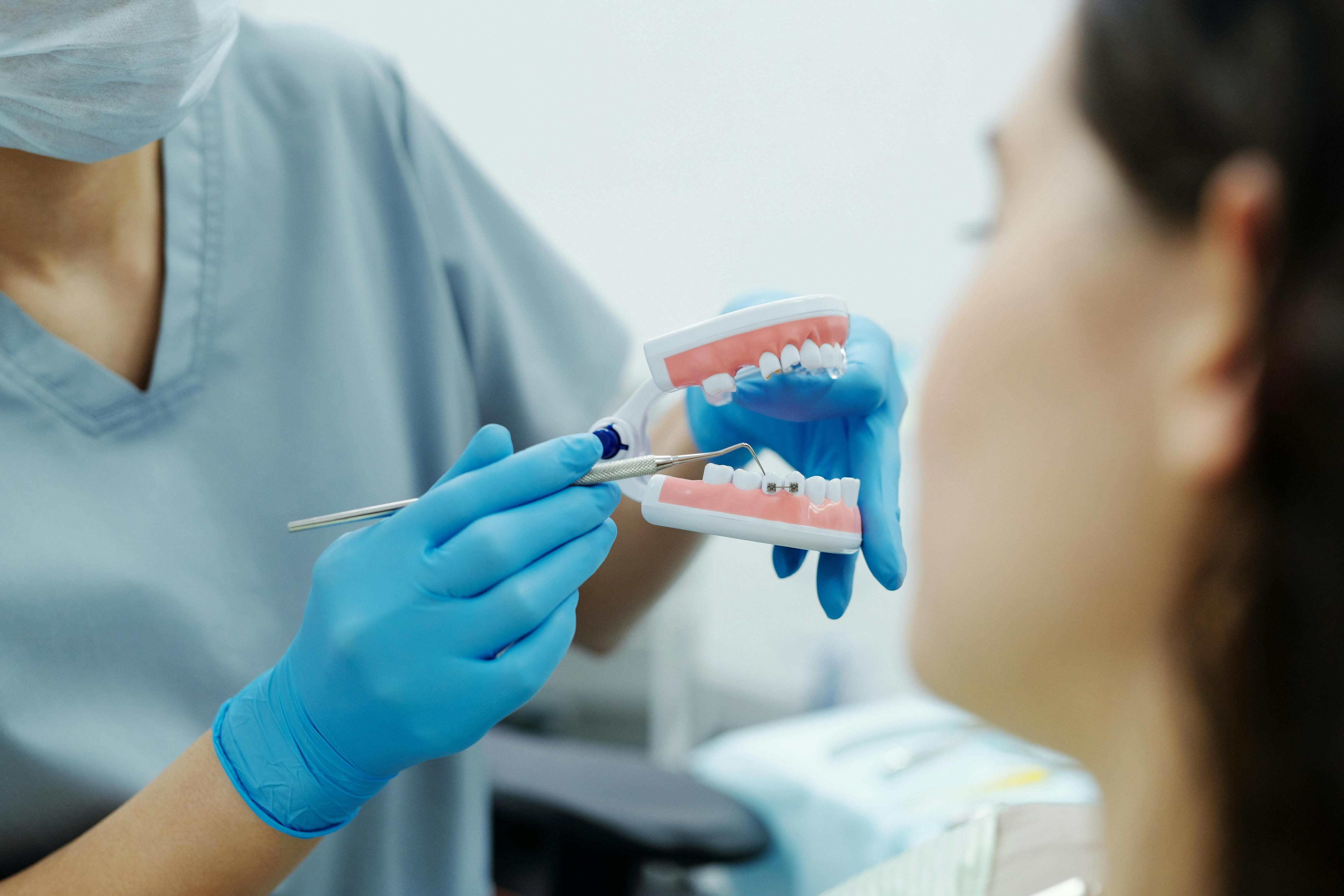
While general dentists provide a wide range of services, there are times when more advanced treatment is needed. One of their most important roles is knowing when to refer you to a specialist. That decision is often guided by findings during routine dental care.
Here are some examples of when a referral might be made:
1. Orthodontics
If your teeth are crowded, spaced too far apart, or your bite is misaligned, your dentist may recommend seeing an orthodontist. Early signs are often noticed during regular checkups.
2. Oral Surgery
Problems like impacted wisdom teeth, severe jaw issues, or complicated extractions often require surgical expertise. Your general dentist will help you understand when it’s time to see an oral surgeon.
3. Periodontics
If gum disease progresses beyond what a general dentist can treat with deep cleanings, you may need a periodontist. They focus on treating advanced gum infections and restoring supporting bone.
4. Endodontics
Not all root canals are the same. Some cases involve curved roots or complex canals that need the attention of an endodontist, who specializes in saving difficult teeth.
5. Pediatric Dentistry
Children with behavioral challenges, complex medical histories, or developmental conditions may benefit from a specialist trained in advanced pediatric care.
Even when specialized treatment is needed, your general dentist stays involved. They work with specialists to make sure everything fits into a complete care plan. Regular routine dental care allows them to guide you through that process at the right time.
How to Make the Most of Your Visits
Routine dental care isn’t just about showing up twice a year. What you do before, during, and after each visit plays a big part in how effective your care is. Taking a few extra steps can help you get better results and avoid preventable issues.
Here’s how to make each appointment count:
1. Don’t skip your routine dental care
Keeping up with scheduled cleanings and exams helps catch problems early. Missing even one visit can allow small issues to grow.
2. Speak up about concerns
Mention any discomfort, sensitivity, or changes in your mouth. What seems minor to you could be a sign of something bigger.
3. Ask for explanations
If you’re unsure why a treatment is being recommended, ask for details. A good dentist will help you understand what’s going on and why it matters.
4. Follow through with recommendations
This includes using any prescribed products, scheduling follow-up appointments, and seeing a specialist if referred.
5. Keep your medical history updated
Let your dentist know about any new medications, diagnoses, or changes to your overall health. These can affect your dental treatment.
Routine dental care works best when it’s part of a consistent, informed routine. Staying engaged in your own care helps your dentist give you the best possible support.
Your Dentist Is Your Long-Term Oral Health Partner
A general dentist does more than fix teeth—they help you stay healthy year after year. With consistent visits and clear communication, you build a relationship that supports both prevention and treatment. The trust you develop with your dentist makes it easier to spot changes, ask questions, and follow through with care.
Routine dental care is at the center of that relationship. It’s the part that keeps everything else running smoothly. From cleanings to checkups to early warnings about bigger problems, these regular visits form the base of lifelong oral health.
If it’s been a while since your last visit, this is a good time to get back on track. A simple cleaning could be the first step toward preventing something much more serious—and keeping your smile healthy for years to come.
Protect Your Smile with Consistent, High-Quality Care
Routine dental care is one of the easiest ways to stay ahead of serious oral health problems—and Advanced Emerald Dentistry makes it simple to keep up. From regular cleanings to early diagnosis and treatment, our experienced team is here to support your health at every stage.
Don’t wait for a problem to get worse. Call Advanced Emerald Dentistry today to schedule your next checkup and experience care that puts your long-term wellness first.